Is your child getting enough protein?
Katie Cameron, Nutritionist
Eating foods rich in protein is an important part of a healthy balanced diet for our kids. This vital nutrient is a building block which helps support growth and development.
How do you know if kids are getting enough?
In this blog, we chat about foods rich in protein, how much your kids need every day and share some creative combinations and recipes to try.
Key takeaways
- Depending on age and gender, kids need between 14g to 35g of protein each day.
- Kids don’t need to be eating meat to get enough protein in their diet, there are a variety of protein-rich plant-based foods you can include.
- There are lots of different ways parents can cook and prepare meat to help kids who are struggling with the texture.
- The Crunch&Sip website features plenty of protein rich recipes for your family to try such as sweet potato lentil curry, cheese and spinach gozleme and savoury toasties.
Many parents in our Packed with Goodness sessions express their concerns about whether or not their kids are getting enough protein, especially if they don’t tend to eat meat. The good news is that most kids are probably getting plenty of protein, even if they are not big meat eaters. Protein is found in a variety of plant-based foods, which is why most of the time kids are getting enough.
How much protein do kids need every day?
The Australian Guide to Healthy Eating for Children outlines the recommended serving sizes and serves per day according to age and gender across all nutrients. Using this as a guide can help parents determine whether their child is eating and drinking a good number of nutritious foods for healthy growth and development.
When we look specifically at protein, the recommended daily intake (RDI) amongst children and adolescents based on their age and gender is as follows:
|
Gender |
Age |
EAR |
RDI |
|
ALL |
1-3 yrs |
12 g/day (0.92 g/kg) |
14 g/day (1.08 g/kg) |
|
|
4 - 8 yrs |
16 g/day (0.73 g/kg) |
20 g/day (0.91 g/kg) |
|
Boys |
9 – 13 yrs |
31 g/day (0.78 g/kg) |
40 g/day (0.94 g/kg) |
|
Girls |
9 – 13 yrs |
24 g/day (0.61 g/kg) |
35 g/day (0.87 g/kg) |
*This table has been taken from the Eatforhealth.gov.au website
When we look at this as the recommended serves per day according to gender and age, it looks like this:
|
|
2-3 years |
4-8 years |
9-11 years |
12-13 years |
14-18 years |
|
Boys |
1 |
1 ½ |
2 ½ |
2 ½ |
2 ½ |
|
Girls |
1 |
1 ½ |
2 ½ |
2 ½ |
2 ½ |
*This table has been taken from the Eatforhealth.gov.au website
Meat that makes the cut
It’s not uncommon for kids to have difficulty with some textures, especially when it comes to eating meat. The many different cuts and types of meat can be different in smell, texture and taste. Depending on how these are cooked, they will change again and can at times be difficult to chew or swallow for little mouths. Considering all of these factors, it’s not surprising that kids may find meat is not their favourite food.
So how do you make meat more appealing to kids?
1. Buy meat that is easy to eat:
- Choose naturally tender types of meat, such as chicken and pork
- Buy minced meat, which is available for many types of meat not just for beef
2. Prepare and cook meat to soften the texture:
- Marinate meats ahead of cooking as this helps tenderise the pieces
- Lightly crumb thin strips of meat and cook in an air fryer, crumbing provides a shell which allows the meat to steam and soften
- Stir fry thin strips of meat, the thinner the better
- Slow cook meat across the day, this will soften almost any cut and allow you to shred and eat with ease
3. Provide small portions
- Cutting meat into small pieces makes it more manageable for little mouths to chew
- Small pieces are also easier for kids to pick up or scoop with a fork or spoon
Packing the protein when meat is off the table
Whilst meat is an excellent source of iron and provides an easy way to boost protein for kids, some kids simply aren’t keen on it. Luckily, there are plenty of other foods that provide protein, and that kids are often happy to eat every day.
Power- packed protein rich plant-based foods
|
|
|
|
|
|
Chia seeds |
Greek yoghurt |
Cheddar cheese |
Cottage cheese |
|
|
|
|
|
|
Milk |
Egg |
Baked beans |
Lentils |
|
|
|
|
|
|
Edamame beans |
Peanut butter |
Wholemeal pasta |
Quinoa |
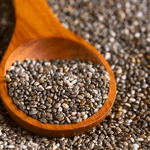

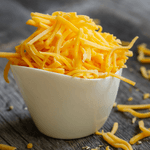
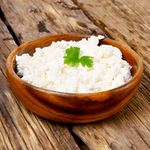
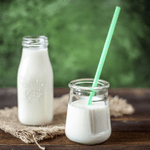
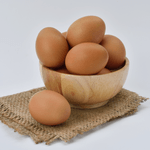
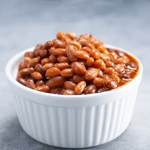
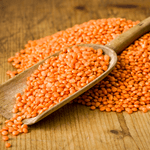
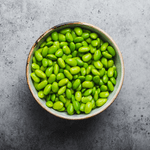
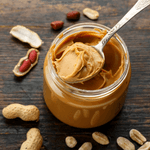
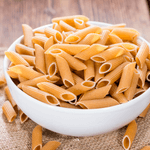
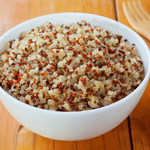
Please note protein amounts depend on the brand you are buying*
Looking for more options?
Some other foods that contain protein include pumpkin seeds, tahini, almonds and chickpeas. And in smaller amounts protein can be found in veggies such as broccoli, spinach, peas and sweet corn.
Don’t forget it all adds up and each of these can go towards their total daily intake.
Protein-rich recipes to try:
Consult with a professional such as paediatric dietitian or speech pathologist if you have concerns about your child’s eating habits or nutritional intake.