Finding fibre in foods for the lunchbox
There are many things to consider when packing children’s lunchboxes, including what it all costs. This is why finding simple, cost-effective ways to support children’s health and save at the checkout is always at the top of our mind.
Including fibre rich foods in the lunchbox is an easy way to tick all the boxes. Fibre is essential for children’s digestion, gut health, steady energy and classroom concentration. Plus, high fibre foods help children feel full for longer which means more bang for your buck.

Finding fibre
Fibre is found in all plant foods including grains, fruits, vegetables, legumes, nuts and seeds. Eating a variety of fibre rich foods provides the most benefit. Fibre can be lost when plant foods are processed or refined, including through peeling! So where possible, leave the skin on and cook with or serve up unpeeled fruit and veggies. Swapping low fibre or refined foods like white bread, with wholegrain and wholemeal varieties will make a big difference to a child’s fibre intake across the school week. Plus swapping white or refined grain foods to wholemeal and wholegrain options does not mean spending more money on the groceries – great news!
In season vegetables and fruits provide a fresh, and at times cheaper, source of fibre along with other important vitamins and minerals our kids need. Remember to leave skins on where possible, and make use of the stalky, crunchy parts too – think the stem on the broccoli or those crunchy ends on the asparagus. The cheapest fibre rich lunchbox snack available is the humble carrot, which costs about 20 cents per serve. By packing a serve (75g) into a lunchbox you can add an extra 2-3 grams of fibre to the day.
How much fibre do children need?
|
Age |
Adequate Intake |
|
4-8 years (boys & girls) |
18 g per day |
|
9-13 years (boys) |
24 g per day |
|
9-13 years (girls) |
20 g per day |
Lunchbox swaps to boost fibre
Grain foods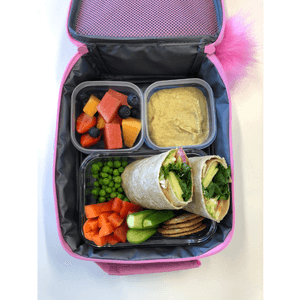
o Swap white bread for wholemeal, wholegrain varieties
o Use wholemeal wraps instead of white wraps
o Choose wholegrain crackers instead of refined varieties (see our cracker blog for our top cracker picks)
Snack foods
o Choose plain popcorn instead of chips
o Swap sugary snack bars for wholegrain cereal bites or high fibre muesli bars (find our top picks for muesli bars here)
o Include high fibre snacks such as trail mix, fruit bread, roasted legumes or bean snacks (try this recipe Crispy Roasted Chickpeas recipe | Crunch&Sip®)

Fruits and vegetables
o Pack carrot sticks with hummus instead of packaged snacks
o Replace flavoured yoghurt pouches with plain yoghurt and fresh or frozen fruit
o Use canned legume options such as baked beans
Spreads for bread
o Replace sugary spreads like jam with savoury options like hummus, avocado or nut butters (if nuts are allowed at school)
o If your child really loves jam, give Chia Seed Jam a try for a high fibre jam option!
Chia Seed Jam recipe
- 2 cups of frozen berries (defrosted)
- 2 tbs chia seeds
- 2 tbs maple syrup
Mash the berries in a bowl and stir in the chia seeds and maple syrup. Set in the fridge for 2 hours or overnight.