How to pack healthy lunchboxes
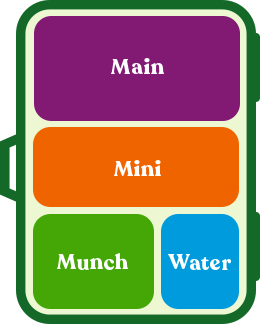
Main
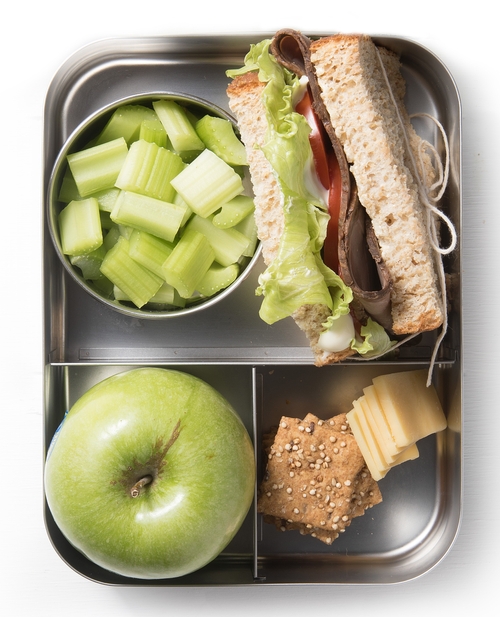
Aim to pack a lunch with some grains, protein and veggies. This can include a sandwich, wrap, sushi, pasta, curry, falafel or any dinner leftovers. Where needed, add an ice pack to keep food safe.
Mini
Reach for a healthy snack such as cheese and grainy crackers, hard boiled eggs, homemade muffins, plain yoghurt, popcorn, tinned tuna, baked beans or fruit. It doesn't have to be fancy or expensive.
Munch
If you think your child needs more food, pack some extra fruits and vegetables for them to enjoy. Pick seasonal to save money and encourage variety.
Water
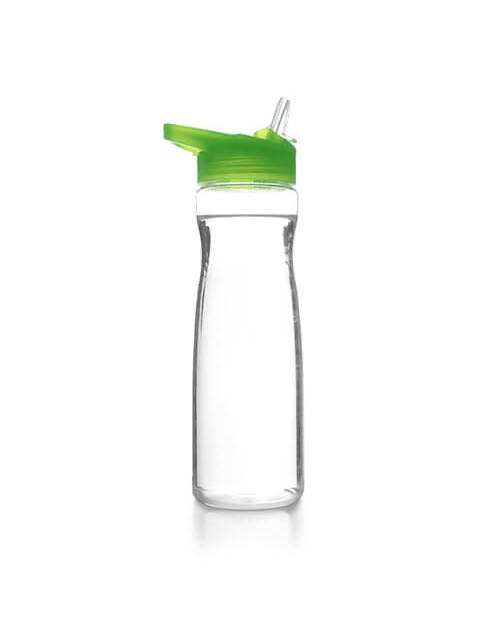
Remember to pack water for your child.
Learn more
Want to learn more about packing a healthy lunchbox? Head to our Packed with Goodness page and register for a session

If it's all healthy food, it doesn't matter what order the food is eaten in! Anything they reach for will provide them with long-lasting energy to get the best out of their school day.

How is Crunch&Sip® different from the lunchbox?
Crunch&Sip®
Packing Crunch&Sip is in addition to the lunchbox, so it is best packed in it's very own container. This way it is easy for children to take their Crunch&Sip into the classroom to refuel during one of their long learning breaks.
There are rules around what can be packed for Crunch&Sip, see below to learn more.
Lunchbox
The lunchbox is completely separate to Crunch&Sip and should provide the fuel kids needs during recess and lunch. The foods packed in a lunchbox are for each individual family to decide.
If you would like to learn more about packing a healthy lunchbox, head to our Packed with Goodness page and register for a session.
How families can participate in Crunch&Sip®
Participating in a daily in-class Crunch&Sip break provides an opportunity for children to drink water and eat an extra serve of vegetables or fruit to support good health and to help with learning and concentration in the classroom.
Each day make sure your child goes to school with a clean bottle filled with water, and vegetables or fruit for Crunch&Sip – that’s all you need to do!
Roasted, steamed, mashed… doesn't always need to be crunchy!
These foods CAN be packed for
Crunch&Sip®
Vegetables
- All fresh vegetables are permitted (e.g. celery, carrot sticks, broccoli bits)
- Vegetables canned in water with no added salt (e.g. corn spears, baby carrots, butter beans)
- Cooked vegetables are also permitted as this may be required for sensory concerns
Fruit
- All fresh fruit (e.g. whole fruits, chopped melon)
- Fruit canned in water, juice or with no added sugar (e.g. peach slices). Don't forget a spoon!
- Dried fruit like sultanas or apricots are allowed for Crunch&Sip but should be limited. This is to reduce the risk of tooth decay
- Cooked fruits are also permitted as this may be required for sensory concerns
Drinks
- A clean water bottle filled with plain water
These foods CANNOT be packed for
Crunch&Sip®
All other food and drinks are not permitted including:
- Any drinks other than plain water (fruit or vegetable juice, cordial)
- 'Fruit' products (e.g. fruit leather, fruit roll-ups, fruit bars or similar)
- Fruit jams or jellies
- Fruit canned in syrup or jelly
- Dips
- Marinated or processed vegetables (e.g. olives)
- Vegetable crisps
- Vegetable pastries
- Vegetable cakes, fritters, quiches, breads or similar
- Popcorn
Resources
We have heaps of resources for families. Head to the resources page to download or order now
Reading and decoding food labels
Learning how to read food labels can help you decide which foods are the healthiest options for you and your family.
Nutrition Information Panel
In Australia, most packaged foods must display a nutrition information panel. The panel shows the amount of nutrients ‘per serving size’ and ‘per 100g’. As the serving size on the package may differ for similar products and may be different from what you actually eat, it is best to use the ‘per 100g’ column to compare products.
Find all our handy family resources here
| Nutrition Information | ||
|---|---|---|
| Servings per package: 16 | ||
| Per Serve | ||
| Energy | 432kj | 1441kj |
| Protein | 2.8g | 9.3g |
| ⁃ Total ⁃ Saturated |
0.4g 0.1g |
1.2g 0.3g |
| Carbohydrate ⁃ Total |
18.9g 3.5g |
62.9g 11.8g |
| 6.4g | 21.2g | |
| 65mg | 215mg | |
| Cereals (76%) ( , oatbran, barley), psylium husk (11%), sugar, rice malt extract, honey, salt, vitamins (niacin, thiamine, folate) | ||
Ingredients list
The ingredient list on a food label can also help you decide if a product is healthy. Ingredients are listed from most to least amounts, so the main ingredients are listed first. This is helpful to remember when looking at the label, avoid those that list sugar and salt high up in the list.
Don't forget that sugar and salt may be listed under many different names. See below for some common names for both.
All types of sugar and salt are similar nutritionally and will be used in the body in a similar way. Don’t be fooled by the marketing claims!
Here are some common names for sugar and salt:
Sugar:
- Agave nectar
- Brown syrup
- Corn syrup
- Fructose
- Fruit juice concentrate
- Glucose
- Golden syrup
- Honey
- Invert sugar
- Malt
- Maple syrup
- Rice syrup
- Sucrose
Salt:
- Celery salt
- Flavour enhancer (msg)
- Himalayan pink salt
- Meat extract
- Rock salt
- Sea salt
- Sodium
- Soy sauce
- Stock
- Table salt
- Vegetable extract
- Yeast extract
Lunchbox examples
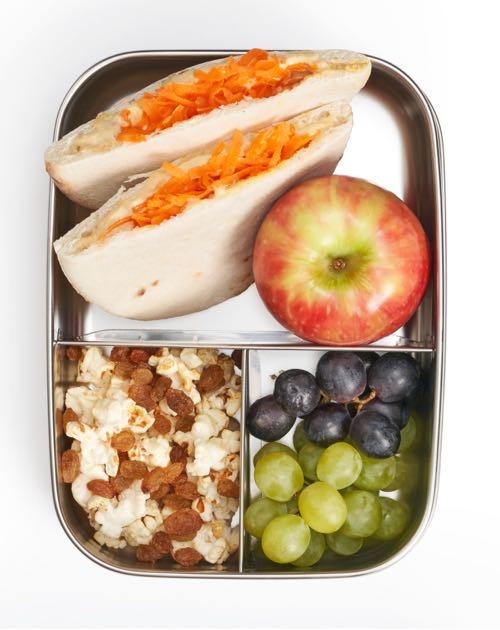
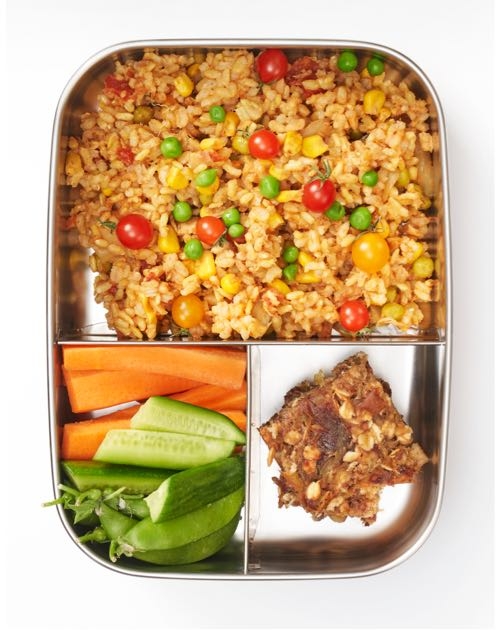
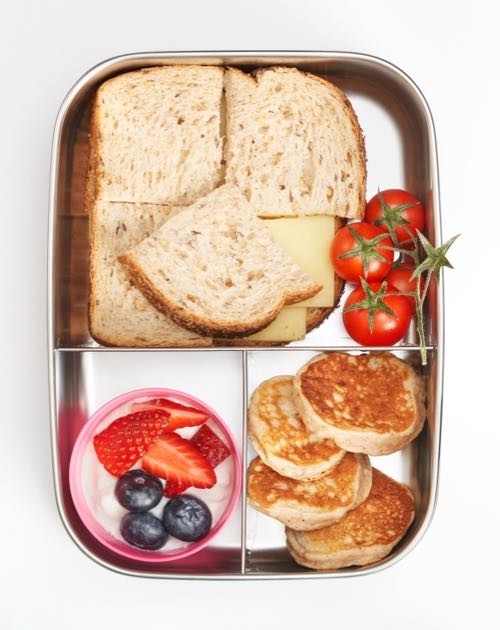
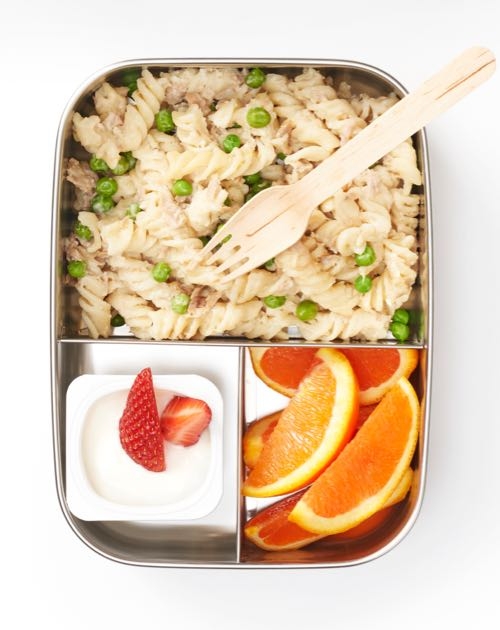
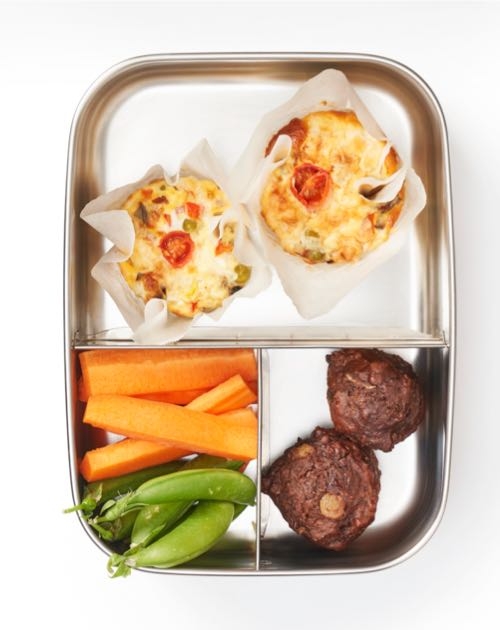
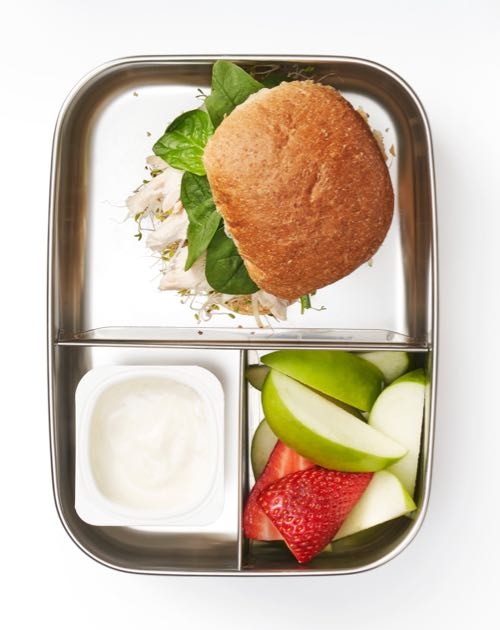
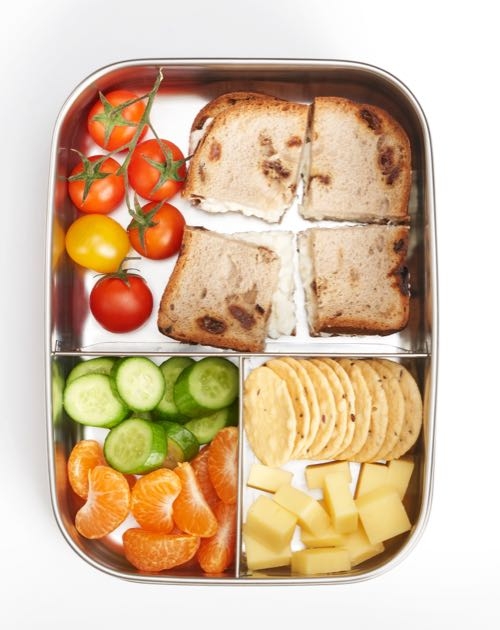
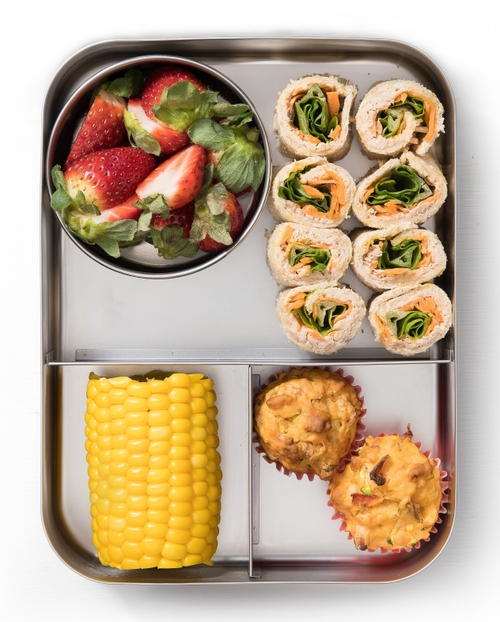
Our lunchbox examples range from super simple through to something more adventurous. The images below might inspire you to swap out a sandwich for some leftovers, to whip up a new baked item to try or give you something to aim for when the time is right. We encourage our parents to do their best and use these examples in a way that works for their family.