How to make sense of the senses and their role in eating
Nicole James, Nutritionist
Little people learn about the world through their senses, which includes what they hear, see, touch, smell, and taste.
Some children may be more sensitive to these sensory experiences, while some are less, which explains why every child has different likes or dislikes when it comes to their experience of the world around them.
So, what does this have to do with your child's eating and food preferences? And what can influence these sensory preferences or sensitivities? Let's explore.
Next time you sit around the dinner table with your family think about all the senses you and your child may be experiencing.
Are people at the table chatting? Is the TV on in the background? Are pets wandering around? Is the chair hard to sit on? Is a clock ticking or a washing machine swashing? Are the aromas of dinner wafting in the air? These are all examples of sensory stimuli and if a lot is happening at once, it can be quite overwhelming for some kids. And we haven’t even started talking about the stimuli related to the food yet!
Some common causes of sensory sensitivities
A range of factors can influence certain sensory sensitivities to food, such as issues with chewing or swallowing different textures to perhaps being a super taster. Other reasons could be a negative experience or association from the past such as almost choking or being sick after eating a certain food, genetics, social or cultural influences, certain medical conditions, or just a general dislike of a sensation such as crunchy foods or mushy textures.
Strategies to help if you have a sensitive child
Staged exposure through activity:
Every time your child is exposed to a food it helps with their learning journey. Some children may benefit from staged exposure to new foods as this may help overcome sensitivities. In the beginning start slowly and at a stage where you know they are comfortable. From there, take small steps, allowing your child to choose when they are ready to progress to more interaction with a food. Depending on how sensitive your child is they may progress quickly or even skip some steps. Other children may need to break each stage into even smaller steps. Make sure you don’t force moving through the stages. If your child shows any discomfort, praise their current effort and finish the activity.
Let’s have a look at some of the stages of exposure.
Stages of exposure
Tolerating the food
Interacting with the food
- Helps with the preparation, or serving of food, becoming familiar with the texture through utensils such as a spoon or tongs
Smelling the food
- Accepts and smells the food in the same room, this could be the aroma of dinner
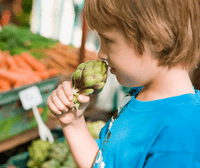
- Brings the food up to their nose for a smell
Touching the food
-
Touches food with a finger
-
Touches the food with their whole hand (yes this can be a great time to introduce food play – see below)
-
Touches the food with their chin
-
Touches the food to their lips
-
Touches the food with the tip of their tongue
-
Licks the food
-
Takes a bite of the food and spits it out
-
Takes a bite and holds it in their mouth
-
Takes a bite and chews the food
-
Takes a bite, chews, and swallows the food
Fun and achievable ways to expose kids to new foods
-
Involve kids in cooking and food preparation regularly
-
Involve kids in shopping, give them a vegetable shopping list
-
Read storybooks or watch videos that feature new foods. See our list of veggie-based story books here
-
Familiarise kids with new foods through play:
-
Snack mats: children place cut vegetables on pictures to create art
-
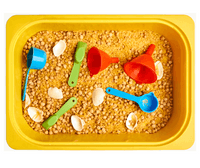
Sensory bins: children feel their way through sensory bins and touch new foods
-
Vegetable art: use cut fruit and vegetables as stamps for painting, you can carve images into hard veg like
 potatoes and carrots
-
Try preparing and serving food in a range of ways
The way we prepare, cook, and serve food can change its look, feel, smell, and taste. Experiment with this to find the way your child prefers the food on offer. This could mean cutting the food into small pieces or fun shapes, or grating, steaming, boiling, frying, roasting, or pureeing.
Hot tip: roasting brings out the natural sugars in fruit and vegetables making them sweeter.
Family mealtimes
We understand that eating together at the dining table might not be possible every night. When you can, make time to sit together and share a few family meals (research shows that just three nights a week has a positive impact). When families eat together it helps create happy memories and provides a safe space to expose new foods to your children. Plus, the shared space and shared meals shows kids the foods on offer are safe to eat, as well as models table manners and sharing. Try to remove any unnecessary sensory stimuli from the eating environment (i.e. turn off the TV, blow out the scented candle).
Where to go for extra support
If your situation feels hard to navigate and you are seeking extra support, there are people out there who can help. Start by speaking with your local GP and seeking a referral to a specialist. Some professionals who can help include:
-
Speech pathologist
-
Occupational therapist
-
Pediatric dietitian