Amplify your allergy awareness
True or false
A child is more likely to have a food allergy than green eyes?
If you answered True, you’re absolutely right! Walk into any primary school, and you’re more likely to encounter a child with a food allergy than one with green eyes. Food allergies are on the rise in Australia. This means that an increasing number of children head to school knowing that something as simple as a friend’s snack at recess could trigger a severe, potentially life-threatening allergic reaction.
The good news is that there are steps we can all take to help keep those around us with food allergies safe.
What exactly are food allergies?
A food allergy occurs when the body mistakenly thinks a food—or part of a food, typically a protein—is harmful. When the food is eaten, the body reacts as if it’s under attack, triggering the immune system to step in and fight. This response includes the release of chemicals like histamine, leading to the well-known symptoms associated with allergic reactions (puffy eyes, itchiness, hives).
How common are food allergies?
|
|
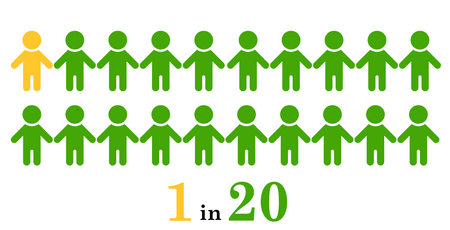
In Australia, 1 in 10 infants and 1 in 20 school-aged children have a food allergy. Some children may outgrow these allergies as they get older, while for others, the allergy can last a lifetime. |
What foods can cause allergic reactions?
While it’s possible to be allergic to nearly any food, some allergens are more common. These include peanuts, tree nuts, milk, eggs, soy, wheat, fish, and shellfish. Among these, peanuts are the leading cause of severe anaphylactic reactions in children.
Are food allergies serious?
Absolutely. Food allergies can lead to life-threatening reactions and should never be taken lightly. If you’ve experienced an anaphylactic reaction or witnessed one, you understand the seriousness of the situation. For some people, even trace amounts of an allergen can cause a severe reaction.
What are the symptoms of food allergies?
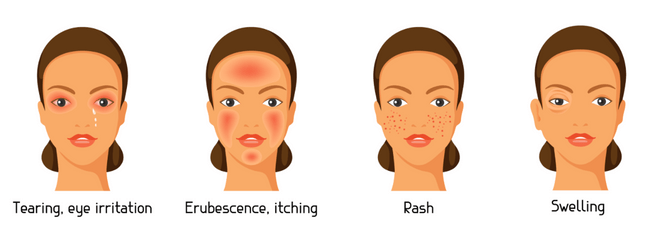
Allergic reactions to a food can vary from person to person. Some common symptoms to watch out for include watery eyes, itchiness, hives, and swelling. In more severe cases, known as anaphylaxis, symptoms can progress to include wheezing, difficulty breathing, swelling of the throat or tongue, paleness, dizziness, and loss of consciousness—this is a medical emergency and requires immediate attention.
How are food allergies diagnosed and treated?
Diagnosing food allergies typically involves a combination of medical history, blood tests, and skin tests. Currently, there is no known cure; the only effective way to prevent an allergic reaction is to strictly avoid the allergen. The good news is there is lots of research being done around allergies, so this may change as more is understood.
What can be done to help keep kids (or anyone) with food allergies safe?
Managing food allergies is possible with the support of everyone around the affected person.
Here are some effective ways to improve safety for those with food allergies:
Tip One: Know the process
Understanding specific food allergies is crucial. Start by asking a few questions about the individual’s allergies. Important questions are:
-
Which are the specific food(s) you are allergic to?
-
What are some of the common signs or symptoms that happen when you are having an allergic reaction?
-
What should we do when an allergic reaction occurs?
Tip Two: Be wary of hidden ingredients
|
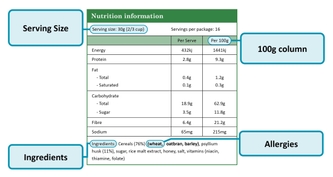
Food allergens can often be hidden in foods you might not expect. Always check labels on packaged foods, as allergens are typically listed in the ingredients section. If a food doesn’t have a label or if you’re unsure about its contents, it’s best to avoid it altogether. |
 |
Tip Three: Think about how you prep
Minimising accidental exposure to allergens involves careful organisation. Here are some strategies to help:
-
Use separate utensils: Choose different cutting boards, utensils, and plates for allergenic and non-allergenic foods.
-
Thorough cleaning: Clean all surfaces, utensils, and serving items with hot, soapy water before preparing or serving food. Use separate sponges or cloths.
-
Proper storage: Keep allergenic and non-allergenic foods in separate, sealed, and clearly labelled containers to avoid mix-ups.
-
Sharing is not caring: This is one time that it’s kind to be selfish. Encourage children not to share their food whether that be on a playdate or at school.
Tip Four: Get everyone on board
Creating a safe and supportive environment for those with food allergies requires everyone’s involvement, so rally the troops – think friends, family, peers, teachers, the school community and beyond – and get them on board.
Together, we can amplify allergy awareness and ensure that every child can enjoy school, play dates, and life to the fullest—without fear.
For more information on food allergies head to: